Shiv Gopal Mishra Union Journey
Home > Union Journey
Apprenticeship The Beginning of Leadership
Shiv Gopal Mishra Union Journey
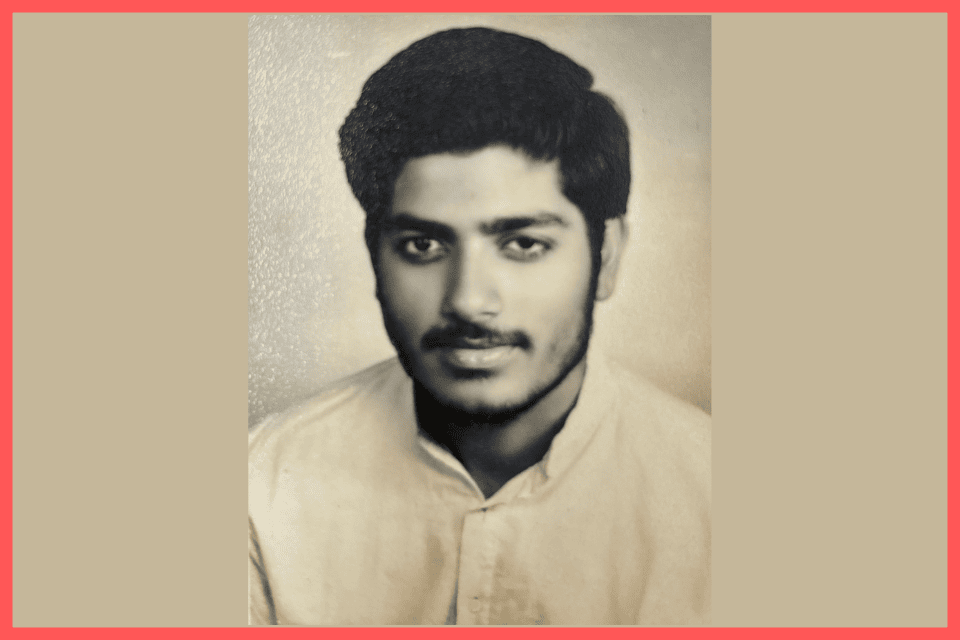
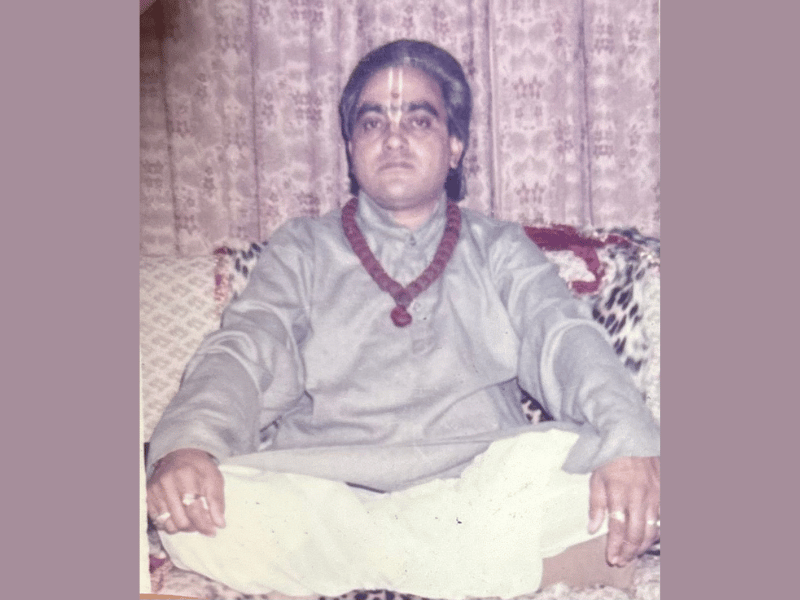
The union journey of Shiv Gopal Mishra reflects more than four decades of relentless service, where each chapter of his life unfolded amidst movements, negotiations, and unwavering commitment to the rights of railway employees. I joined the railway on December 19, 1969. My apprenticeship lasted for five years and was a very good experience. I never felt that I had made a mistake by leaving my M.Sc. studies; I received a lot of respect there.
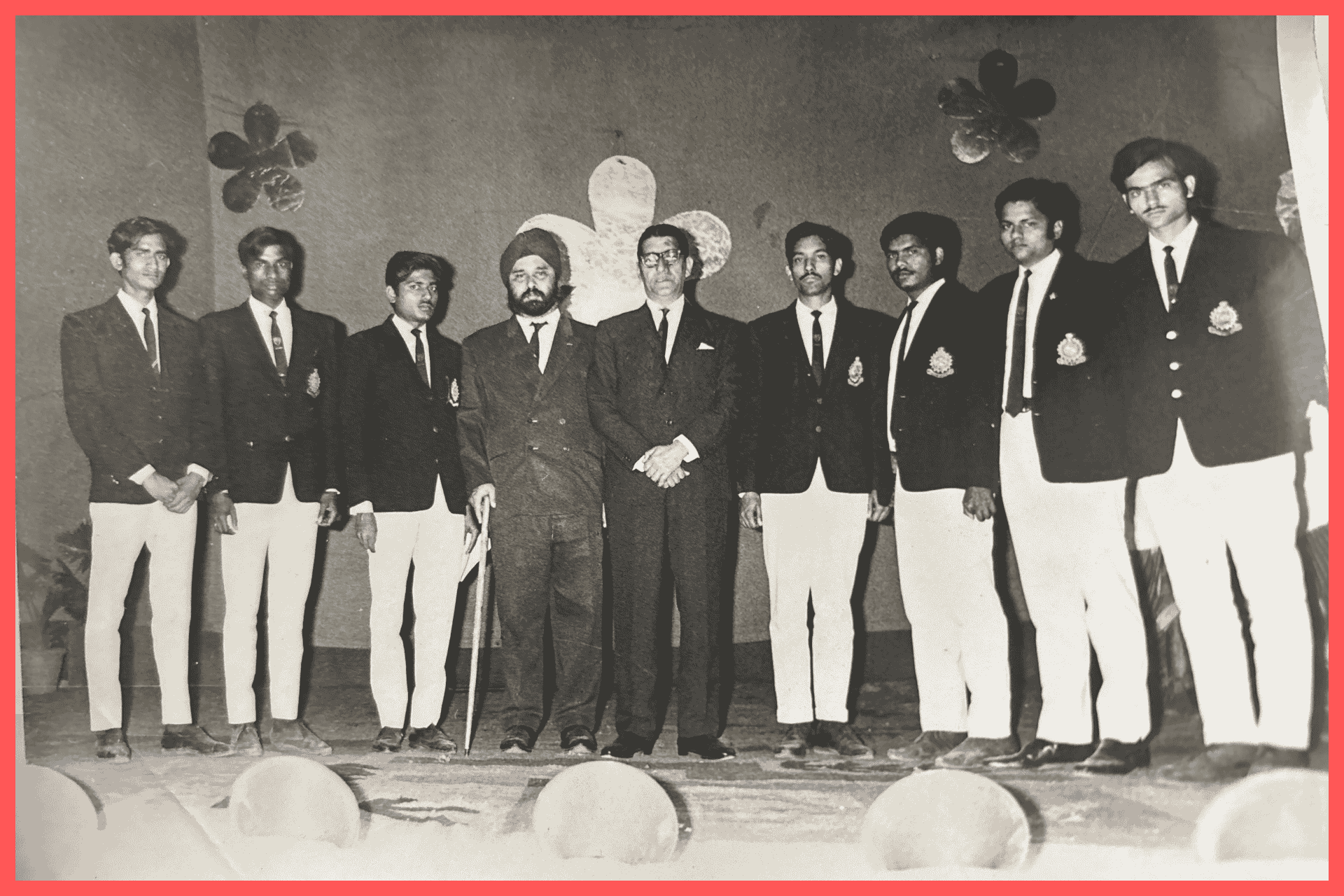
During my apprenticeship, I served as General Secretary for three years. This is where the foundation of my political life was laid. I was also quite good at sports. During my college days in Lucknow, I was part of my college’s sports team, which gave me good knowledge. I also organized tournaments in the railway. Our apprentice ground, Kulshreshtha Memorial, is still known for hockey, where many Olympians like Ashok Kumar, Bhrat Chopra, and Syed Ali played for their teams, and we also received blessings from Olympians like K.D. Singh babu.
For the first 10 months of railway employee training, we were at the BTC Training Center. There, we learned all the work by hand, which is why I still have marks from drilling, filing, and making tools on my hands.
Later, the training was completed in different places across the entire Northern Railway Zone—Allahabad, Kanpur, Delhi, etc. Most of the training was in Allahabad and Kanpur because of the electrical loco shed there. At the Subedar Ganj TRD Depot in Allahabad, electrical work was going on, and we were included in it during our training. On one side, we were taught theory, and on the other, we gained practical knowledge through ‘learning by doing.’
After the training, my joining was at the Lucknow Loco Workshop in 1974. Two to three months later, I was transferred to Charbagh station in the Lucknow division and continued to work in various positions in Lucknow until my retirement.
From Legacy to Leadership
Union Was in the Blood
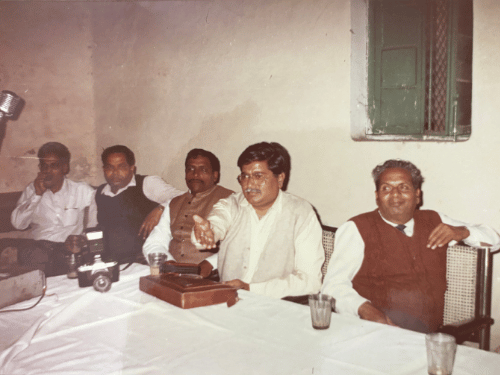
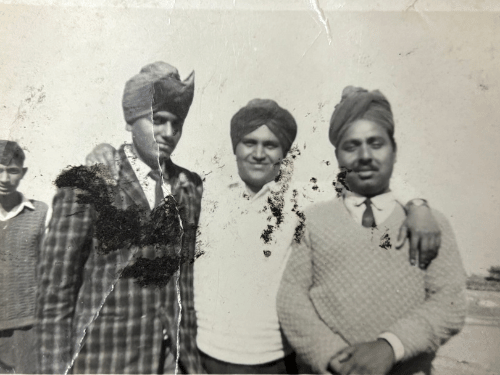
The call to join the union was somehow in my blood. My father was a revolutionary, and his ideas and values were a part of me. My maternal uncles were also very active in the railway trade union. One of them, T.N. Vajpayee, was a big leader, known nationwide among railway employees. He was very famous in the ‘Artisan’ category. He was a close friend of Atal Bihari Vajpayee, though he was a staunch socialist by ideology. He led the historic strikes of 1960, 1968, and 1974, which led to him being fired from his job and even jailed.
His younger brother, Siyaram Vajpayee, also participated in all three strikes, was jailed, and was fired from his job. I was close to all of them, but I felt they didn’t want me to join the trade union. They thought I would be a direct recruit, study, and become a high-ranking officer.
I even took an exam where I was hopeful of success, but in the interview, I was asked, “If you are posted outside of Lucknow, will you work there?” I said, “No, I will not go outside of Lucknow.” At that time, I had to get my sister married, and I felt that if I went outside of Lucknow, I wouldn’t be able to fulfill that responsibility. That’s why I refused to go.
From Sensitivity to Struggle
Milestones in the Shiv Gopal Mishra Union Journey (1976–1978)
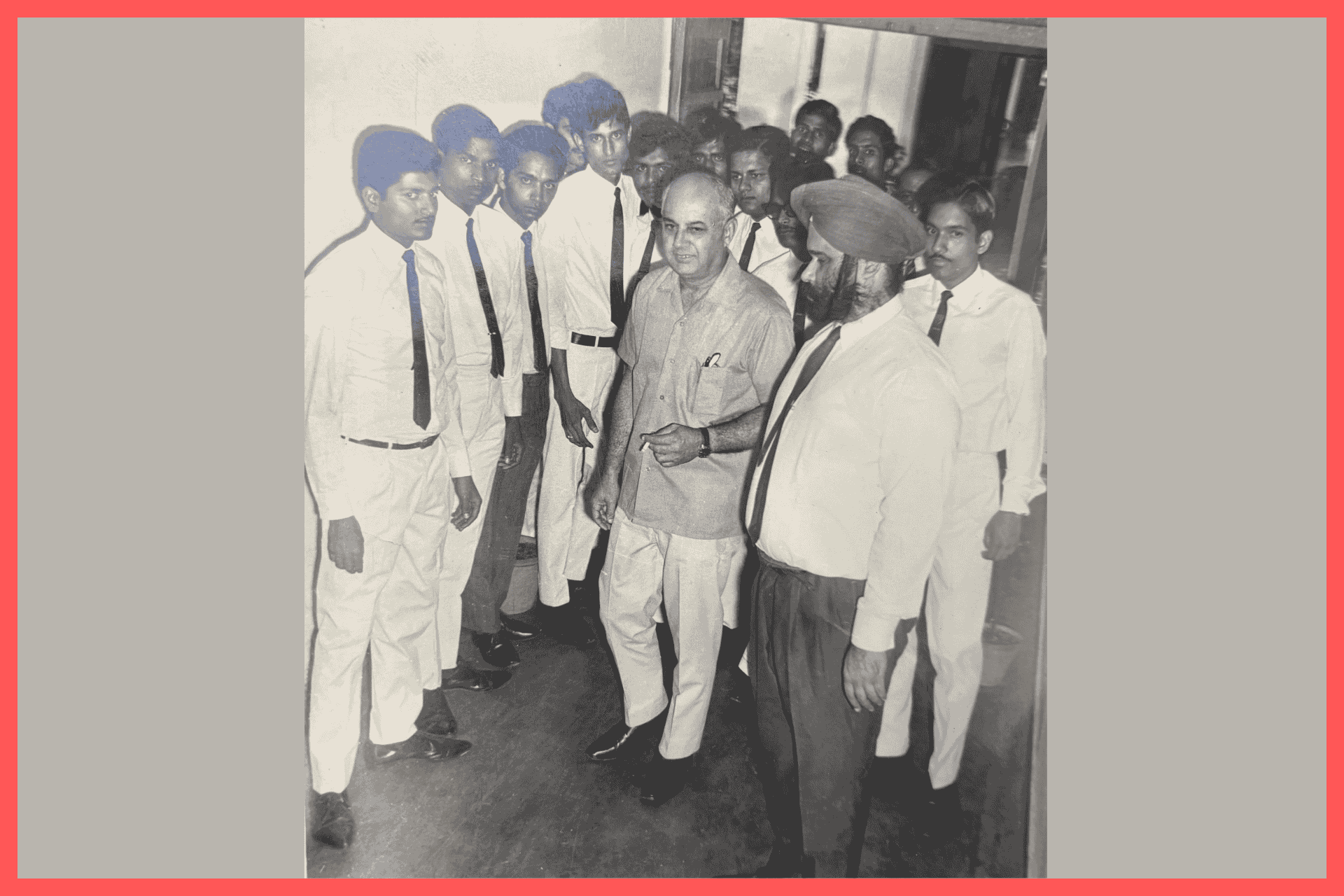
Later, some incidents happened that made me realize that railway employees considered their supervisor their biggest enemy. At that time, the environment was such that supervisors saw themselves as big officers. But I found this strange—we are all government employees, so why this much difference?
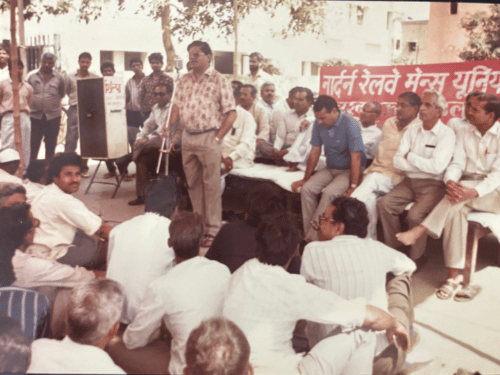
I started to explain to people that this internal conflict was not right. But they said, “Your nature is different, but the other supervisors harass us, they oppress us.” now. we can say Shiv Gopal Mishra Union Journey starts now
First Knock in the Union - 1976
Victory Amid Resistance
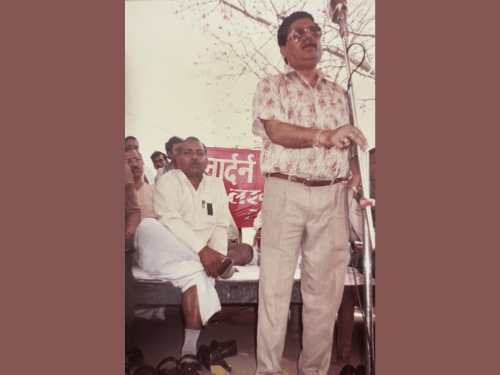
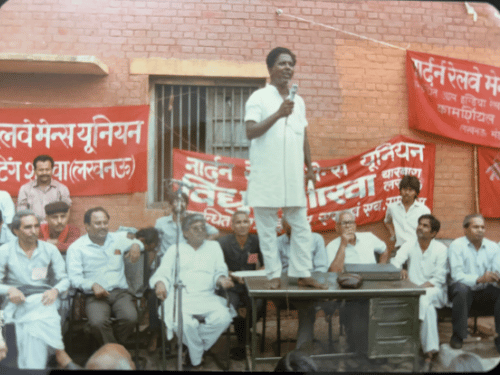
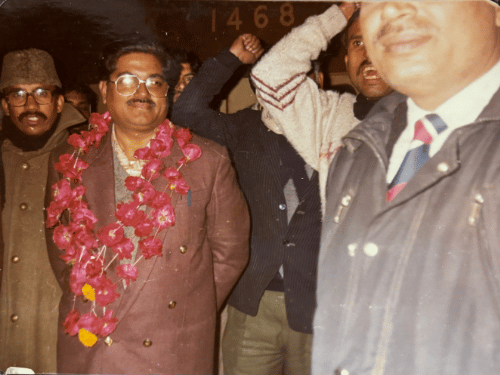
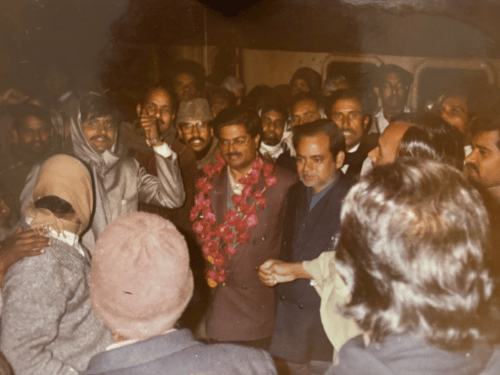
I thought this situation could be changed. People encouraged me to run for the delegate election. In 1976, I contested the delegate election. At that time, the old union leaders tried their best to prevent me from running. Earlier, there was a separate seat for supervisors, but they merged the seats of the Khalasi and Artisan categories so that I would lose. However, I got the most votes in that election.
After this, people said I should run for the Branch Secretary election. But in that election, T.N. Vajpayee himself came forward. Our Divisional Secretary also did not want me to become the Branch Secretary. He said, “You are new; you will not be able to handle the responsibilities of this post.”
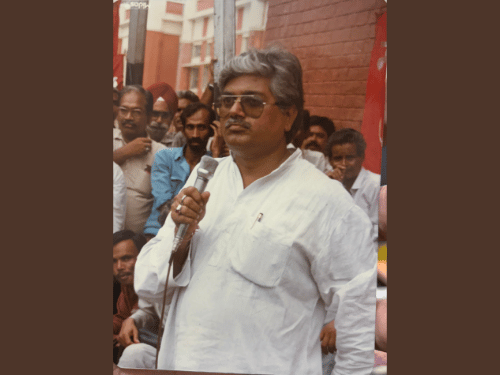
Despite this, the people’s trust was with me. Still, I was not allowed to become an office bearer. But I decided that if I had become a Delegate, I would work with that responsibility. I showed so much dedication as a delegate throughout the year that I had to be given the post of Vice President in the division.
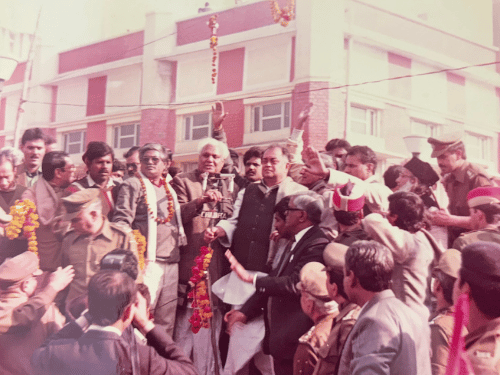
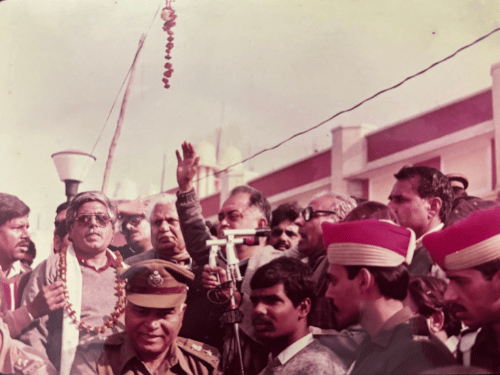
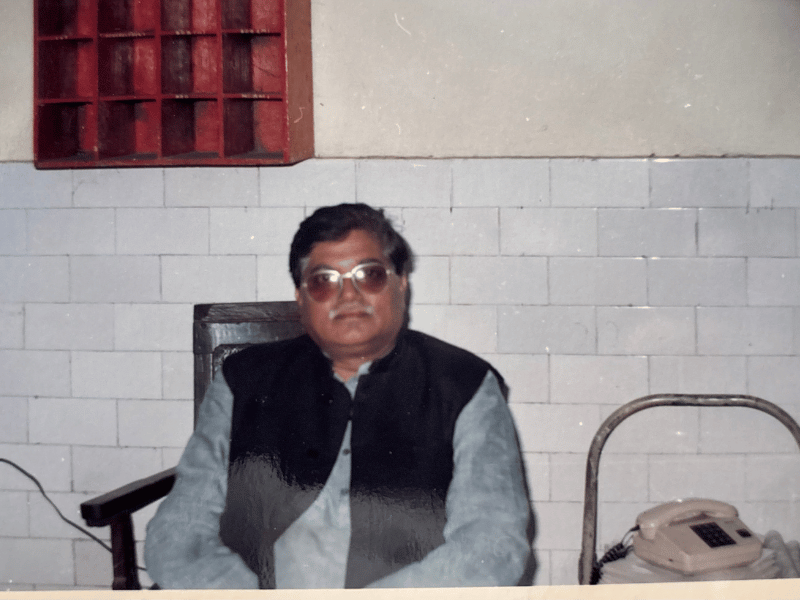
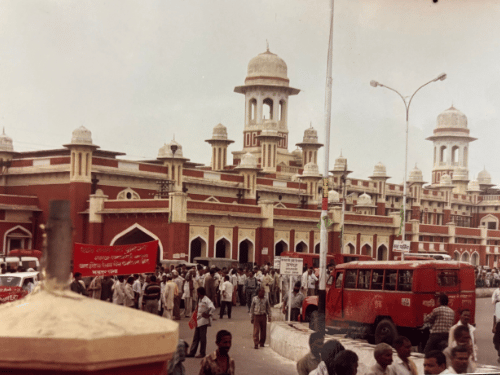
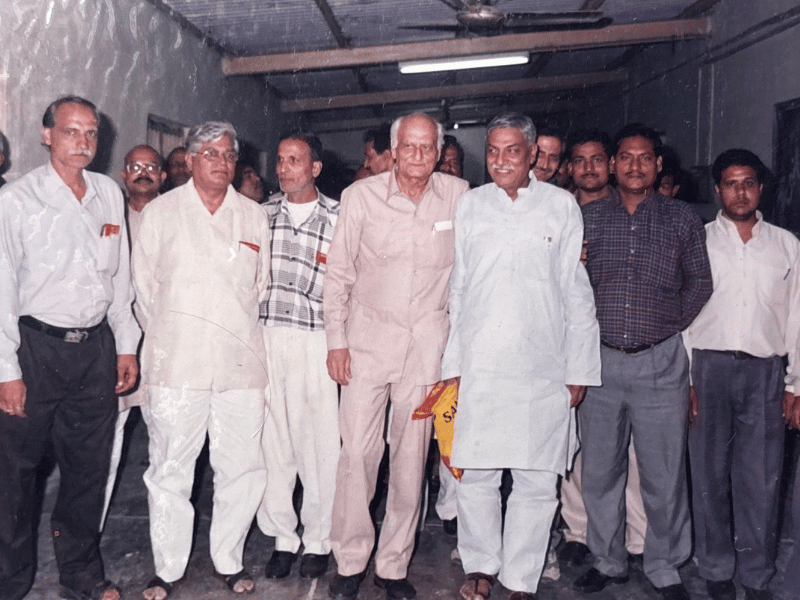
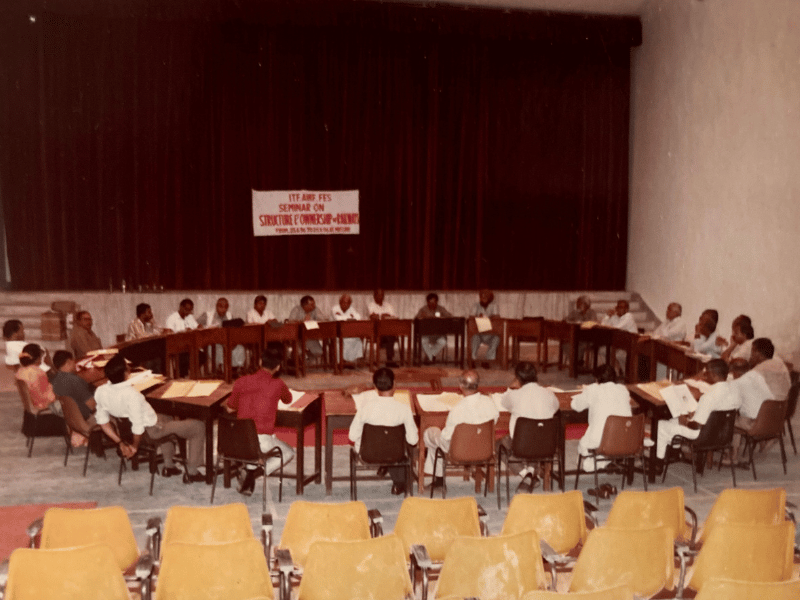
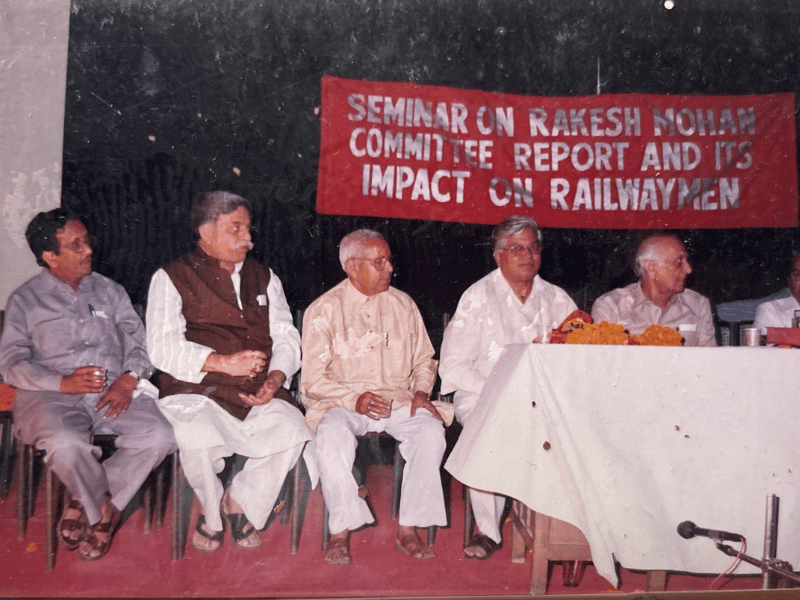
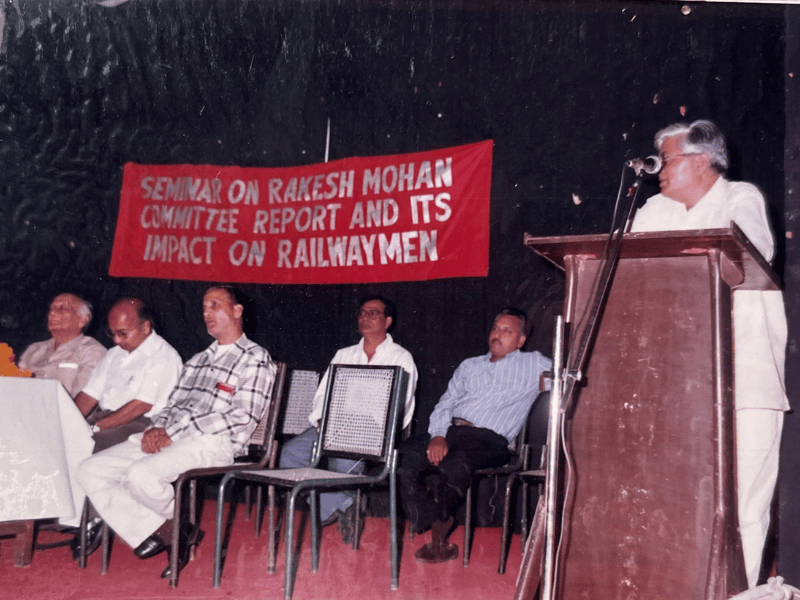
Powerful Entry into the Division
Assistant Divisional Secretary 1978-1989
new era of Shiv Gopal Mishra Union Journey
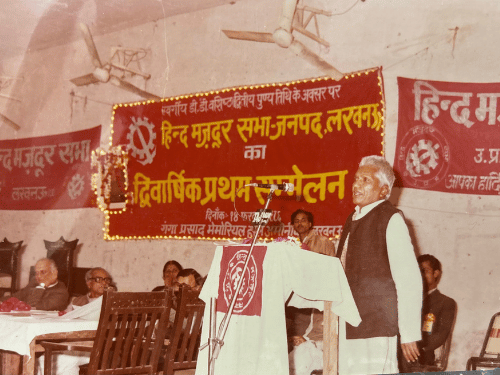
The divisional elections were approaching. At that time, Ayodhya was called Faizabad, and the union elections were scheduled there for 1978. I decided to contest them. I ran against the old leaders, fueled by a lot of passion and enthusiasm.
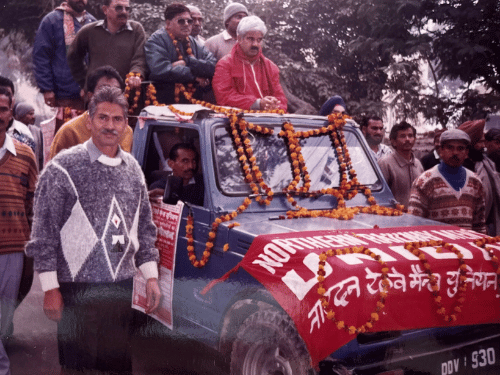
The General Secretary, D.D. Vashisht, came to participate in the election himself. We requested that the election be held by secret ballot, and he agreed. We formed a panel and nominated candidates for eight positions. We chose not to contest the President and Divisional Secretary posts, thinking it would not be right to run against them. We won all eight seats, and I received the highest number of votes. This victory solidified my responsibilities.
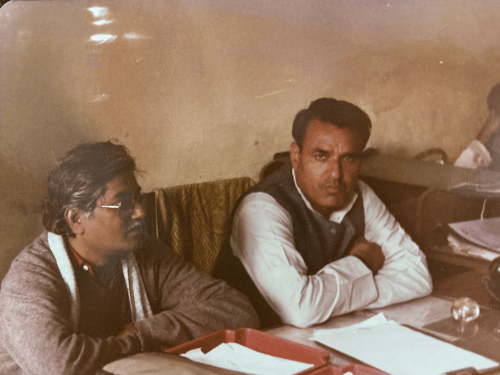
After that, I worked with my colleagues to strengthen the union. During that period, I earned the trust of the employees and worked with complete integrity. I served as the Assistant Divisional Secretary. The good officers treated me with great respect, while I corrected the dishonest ones who thought highly of themselves from within the system. We created a positive and cooperative environment.
From Votes to Trust - 1980
Cooperative Bank Election
Bank Victory, Union Strength
During this time, I also ran for the Cooperative Bank’s delegate election and won with the highest number of votes. This election was held in 1980, and the term was for three years. I won this election six times and also served as the Convener of the Board of Directors three times. I provided great service to the people there, which also gave NRMU a lasting strength. Because of this, NRMU built a strong foundation and stands firm even today.
Sports, Debate, and Leadership
Whether it was sports, debate, or my job, I never lagged behind. We were also not behind anyone in terms of technology. I performed my job well and ran the trade union with complete dedication.
From Division to Delhi
assistant General Secretary AIRF (1989–1997)
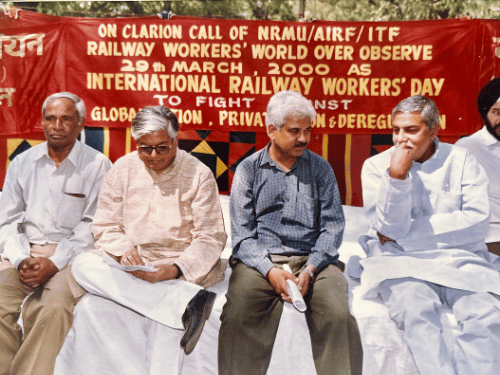
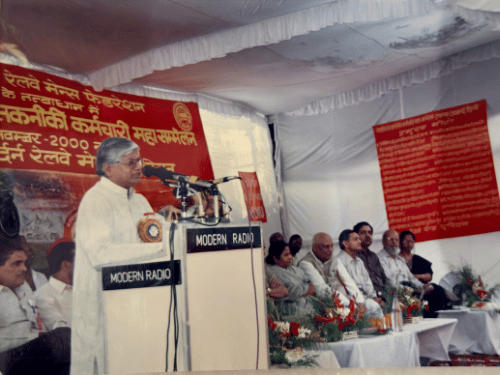
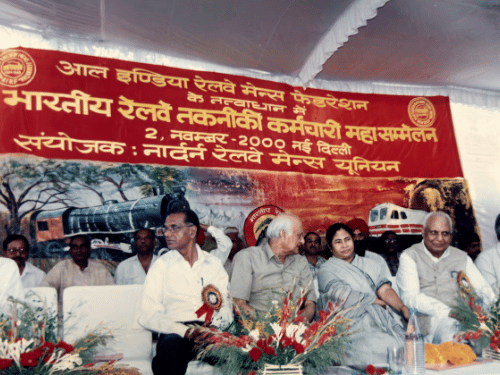
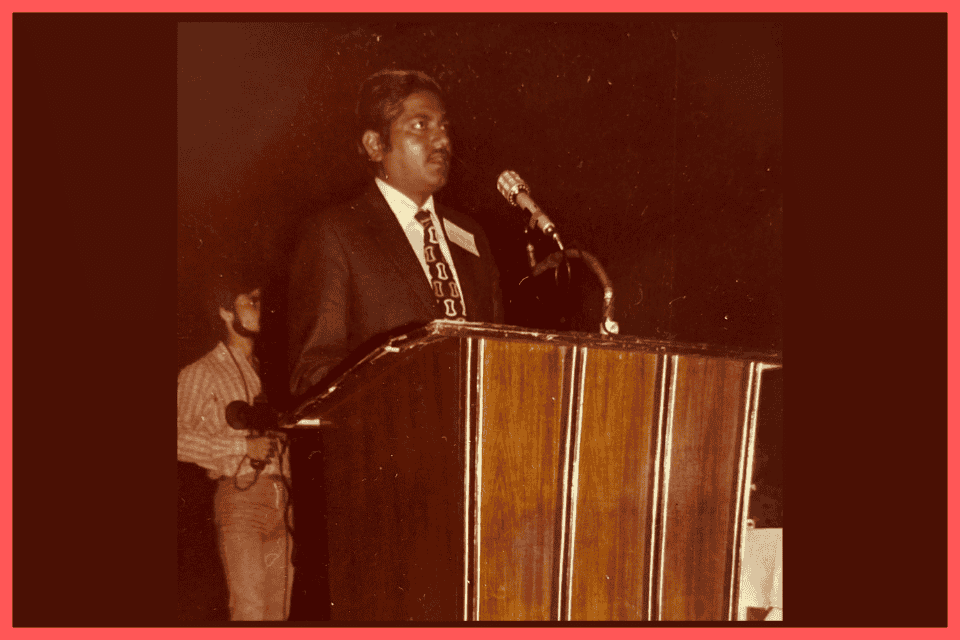
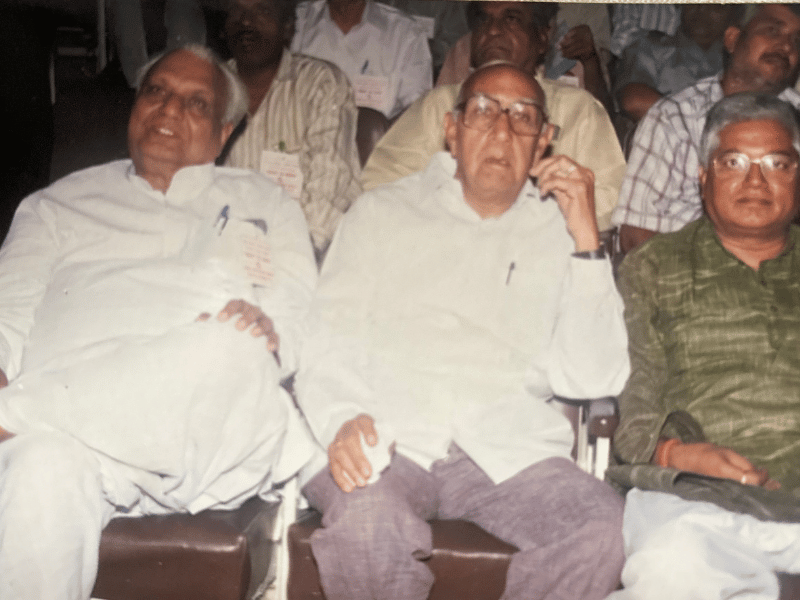
While working in the division, people suggested that I should move to the central union. In December 1990, the NRMU conference was held in Jodhpur on the 27th, 28th, and 29th. At that conference, I was elected Assistant General Secretary (AGS). I began this work on January 1, 1991, and continued to serve as AGS. At that time, T.N. Vajpayee Ji was the President and J.P. Chaube Ji was the General Secretary. I had the opportunity to work under the guidance of these two great leaders. Chaube Ji was also the General Secretary of the Federation (AIRF). Working with him, I learned how a union functions, how to negotiate, and what the style of leadership should be. Vajpayee Ji was a symbol of a struggling organization, while Chaube Ji had immense expertise in negotiations. Working with them taught me a great deal. On January 17, T.N. Vajpayee Ji passed away suddenly.
President AIRF (1997–2008)
After his demise, I was made the President of the Central Union. I served in this position until October 2008.
Becoming General Secretary (2008–Present)
After the death of Chaube Ji in October 2008, I was appointed General Secretary of the NRMU, and I have been serving in this position ever since.
Became an ITF Board Member in 2023
In November 2023, I was elected as a member of the Executive Board of the International Transport Workers’ Federation (ITF), marking a proud moment in my global trade union journey.